Hey there!
Hi, I’m Shelby, a college student, learning about the history of African American fashion and culture during the Harlem Renaissance. I intend to capture the beauty and art of African American fashion during the Harlem Renaissance period by bringing to light the impact it had on the black community. African Americans used different forms of art to express themselves during this time, and I feel it is important to spread knowledge and for people to understand the influence that they had on the fashion industry and black culture. I want to bring to life their ideas by forming a simply crafted website that showcases some of the most influential fashion icons during the Renaissance era. For this website, I will provide information on their lives and career path. I want to also capture the struggles and backlash that most of them faced as a result. Thanks for visiting!
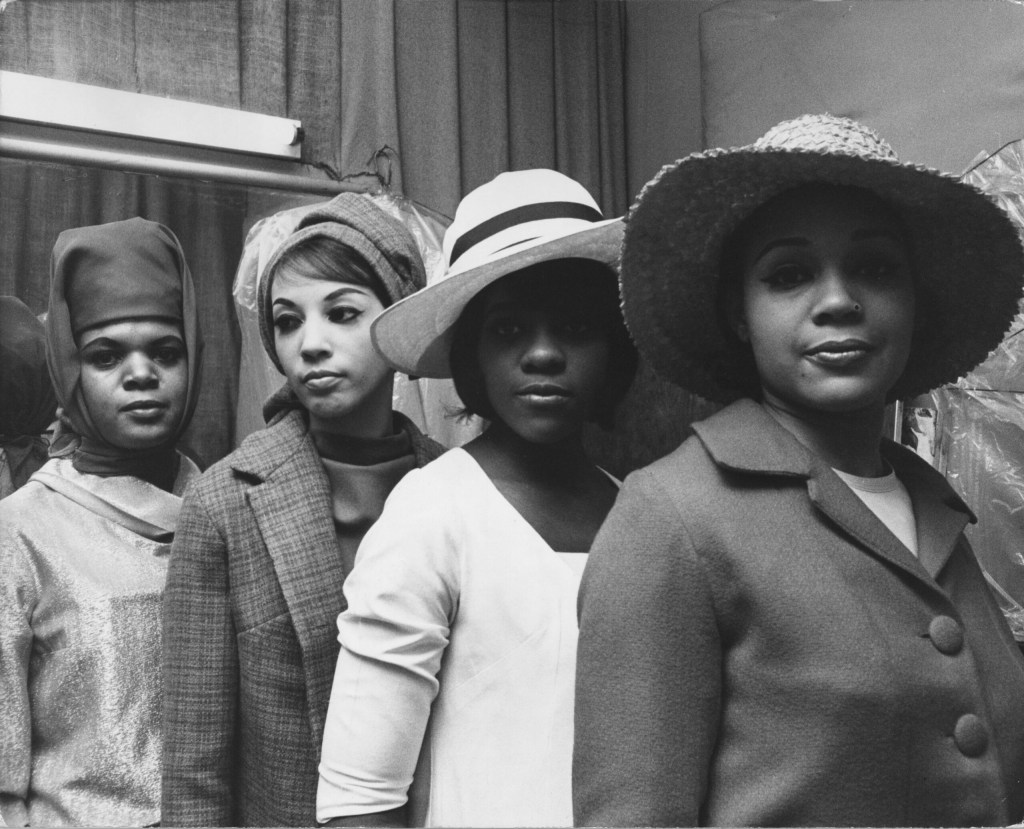
“The fashion industry is built on the subjugation of black and brown bodies, established by a structural form of racism rooted in a fraught colonial past.”
Brick’s Magazine on A brief history of trends that originate from black communities
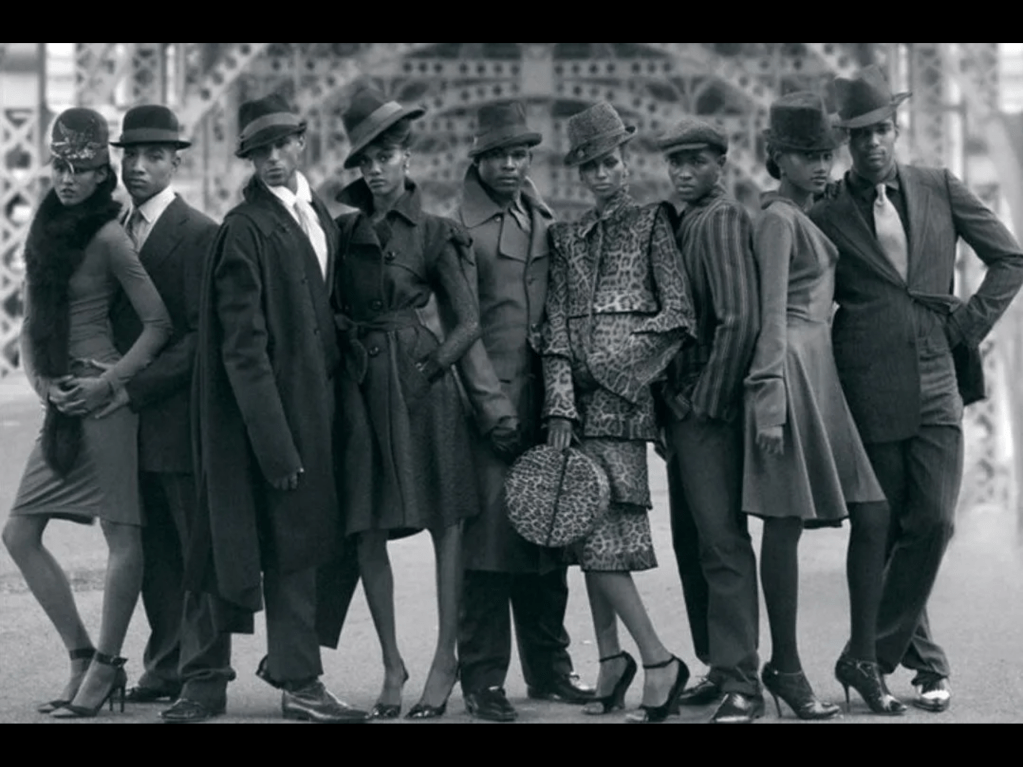
The historical relationship between African Americans and fashion is complex. According to Brick’s Magazine on A brief history of trends that originate from black communities “The fashion industry is built on the subjugation of black and brown bodies, established by a structural form of racism rooted in a fraught colonial past.” With the deeply-rooted racial discrimination, the struggle for freedom and of expression through this art form has been on going challenge for many African Americans. For many years, African American fashion artists have grappled with the challenges that come with searching for a space in an industry that exploits, uses and abuses them. I find it is important to spread knowledge and enlighten people on the significance that fashion has had in African American history and how influential fashion designers have ceaselessly fought for the right African Americans in the fashion industry have today.
The Harlem Renaissance was an explosion of art and creativity for African Americans that contributed to the development of their identity. They used fashion to adjust in the new age of middle class, educated African Americans. This contributed to the motivation and influence needed during the revolution and rebellion against the racial discrimination. Fashion trends that were influences by African Americans during this time had a major impact on shape of the fashion industry. Both women and men indulged in the pleasantries and opportunities of luxury that fashion encompasses.
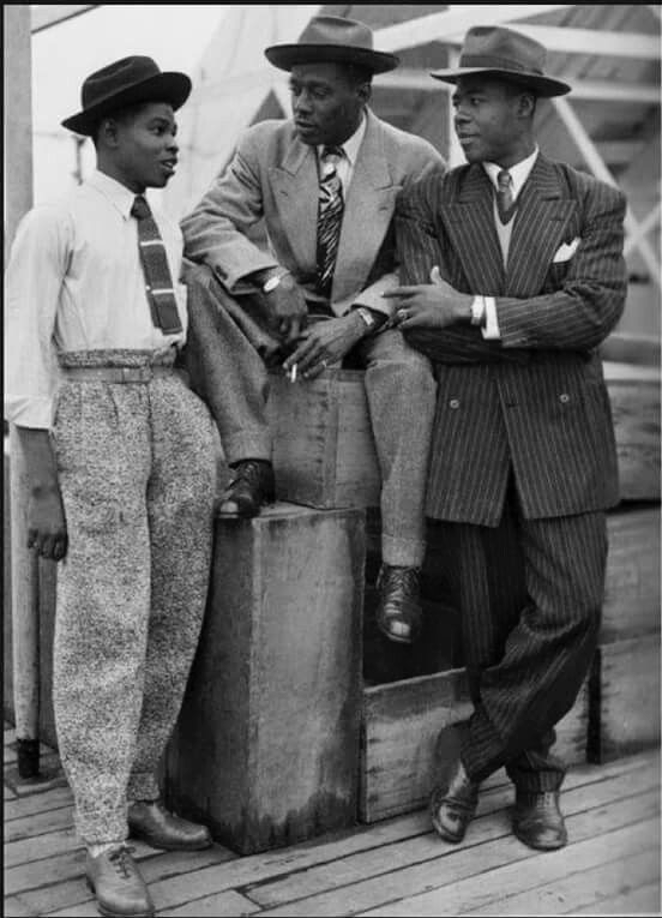
Harlem men shed their farm and factory clothes for tailored suits made of wool and linen. This was a defining moment in the history of black fashion because of its major influence on the “Dappered” Jazz style that is worn today. Men having the space to express themselves in this way allowed for them to diminish the stereotype of being seen as labor workers. They were now able to adopt a new identity of sophistication and respect.
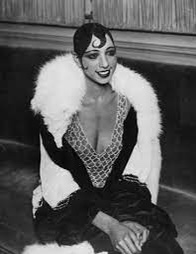
The Harlem Renaissance gave fashion designers the artistic movement to highlight their own culture and ideas. Fashion trends such as the “flapper” style was created by African Americans. Because of the evident racism during this time, majority of the trends that were created by African Americans, were never accredited to them. Also, majority of these styles were “whitewashed” and altered to fit Westernized standards.
The fashion shows that started during the Harlem Renaissance period was contributed to the popularity and influence of black fashion and creativity. These events were organized by the black community and allowed for African Americans to appreciate fashion as a form o art and expression. They would display these events in the newspapers as charity events for those in need. These events brought the black community together and allowed for a collaboration of different talents such as makeup artists, hair stylists, models etc. Madam C.J. Walker was one of the most widely known hair enthusiasts who very successful through these fashion shows.
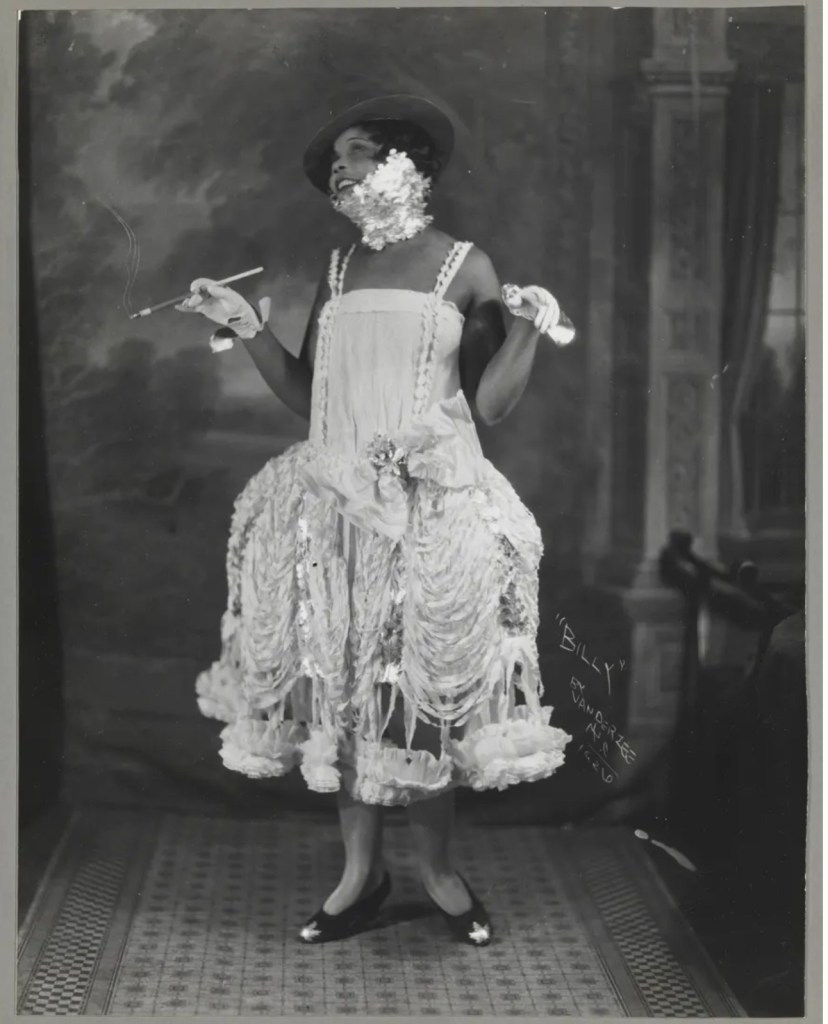
Women In Harlem Renaissance Fashion
Woman have had a huge role in the influence of fashion in the Harlem Renaissance time period. African American women during this time not only faced racial discrimination, but were also subjected to the patriarchal stereotypes that constricted them of their freedom to express themselves, especially in fashion. Women were taught that the only acceptable form of clothing would be the clothing they wear whilst staying at home and takin care of the children. African American women used fashion to combat against the stereotypical gender roles forced upon them. The battle for equal rights led to a worldwide fashion revolution in women’s wear during the 1920’s which allowed them to embrace the rebellious, higher him-lines and lower cut neck lines. Whilst performing in jazz clubs, women would wear extravagant cocktail dressed and exquisite hair that showcased their eloquence. They began to wear clothes that symbolized their freedom and choice.
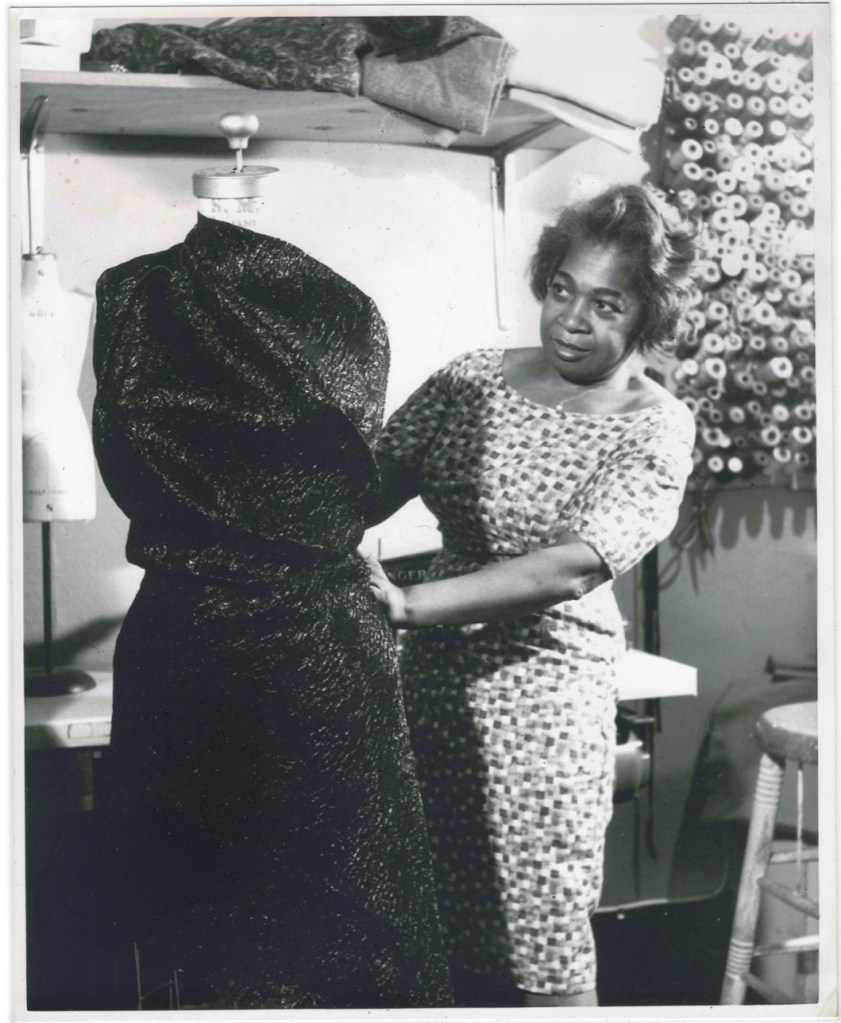
Zelda Wynn Valdes was a very influential fashion designer during the Harlem Renaissance time period. She was born in 1905 and passed away in 2001. Her early childhood consists of her many talents. By 14, she was able to sew dresses for her family members and play a multitude of instruments. She started working as a seamstress in a small store when she was first discovered for her talents as a fashion designer. By 1920, she was making a huge impact on the fashion industry and owned her own clothing store in Harlem, New York. Her story embodies the strength and dedication that it takes to believe in yourself while enduring the struggle of intersectional discrimination
About Me
Hi, I’m Shelby, I am a college student at Xavier University of Louisiana. I have been given the opportunity to create and design my own website on the history behind the fashion in the Harlem Renaissance and bring to light the influence that black culture has had on the fashion industry. I hope this article enlightens your understanding of the importance of black history in the fashion industry.
 Exploring Renaissance Fashion